


Beat Jumper: EDM up
4.42.62K Reviews
App Specs
- Version
- 2.9.2
- Updated On
- License
- Free
- Downloads
- 10,000,000+
- Developer
- AMANOTES PTE. LTD.
- Categories
- Music
- Platform
- Android
Screenshots
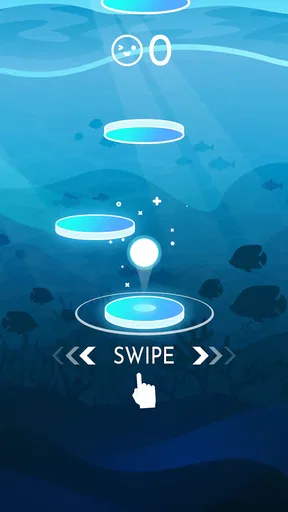



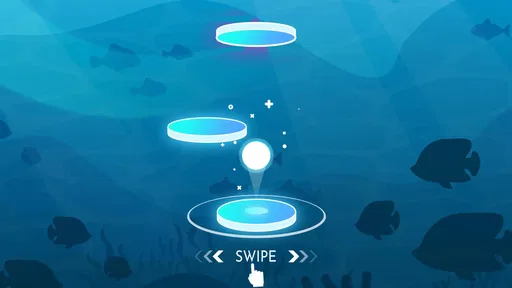



 Analysis by AppCompare
I enjoy rhythm games most when they make me react before I have time to overthink, and Beat Jumper: EDM up fits that mood immediately. It is a music game for Android built around quick movement, bright visual feedback, and EDM tracks that turn a short break into a surprisingly focused session. I found it easy to understand within moments, but not always easy to control once the pace rises.
That distinction matters. This is not a music-learning tool, a deep arcade campaign, or a replacement for a full streaming service. It is a compact reflex game from AMANOTES PTE. LTD., designed for people who want to jump into a song, follow its rhythm, and try again when a mistake ends the run. The free entry point makes it approachable, while optional purchases ranging from $0.99 to $19.99 per item create a reason to pay attention to how you play.
After spending time with it, my view is fairly clear: Beat Jumper is strongest as a fast, casual EDM challenge. It feels most at home during a commute, a short wait, or a few minutes when I want something active rather than passive. It is less convincing for anyone looking for a large progression system, detailed music practice, or a completely relaxed experience.
What the first few sessions feel like
The basic appeal is immediate. The game asks you to connect what you hear with what you see and then respond quickly. The music provides momentum, while the visual track gives you the information needed to decide where to move next. I did not need a long tutorial or a complicated explanation to understand the central loop.
That simplicity is a genuine advantage on a phone. Many mobile games bury their best idea under menus, upgrades, and introductory tasks. Here, the attraction is much closer to the action. I can open it, choose a track or challenge, and get into the rhythm without first managing a large collection of systems.
The trade-off is that the game’s simplicity also sets a ceiling. If you prefer rhythm titles with note charts, instrument-style input, story chapters, or detailed performance grading, this is a lighter experience. It focuses on movement and timing rather than trying to simulate playing an instrument. I would recommend it to a friend who wants a reactive arcade game, not to someone searching for a structured way to improve musical technique.
Speed, timing, and the feeling of control
Perceived speed is one of the most important parts of the experience. Early moments can feel welcoming because the visual cues and beat give me enough time to understand the pattern. As the action becomes more demanding, the same presentation starts to feel much faster. The challenge is not only recognizing the next move; it is committing to it before the current rhythm carries me past the decision point.
Worth Reading Before You Choose

EA SPORTS FC Mobile 26 Is a Bigger Football Game, but It Takes Time

Flipboard Shows What News Apps Must Do Beyond the Feed

Switching to Android Auto Means Rethinking Your Driving Routine

Google Calendar Makes a Crowded Week Easier to Manage

Ludo King Makes the Most of the Minutes Between Plans

Baby Panda World Brings Quick Play to Modern Phones, but Its Game Library Feels Busy
That creates a useful tension. When I am concentrating, the game feels responsive and energetic. When I lose focus, even briefly, the next sequence can seem to arrive all at once. This is the kind of title where a session can change from comfortable to frantic without needing a long play period.
I found that playing with a consistent grip helped more than trying to make dramatic corrections. Holding the phone securely and keeping my thumb in a predictable starting position reduced accidental movement. This is a small habit, but it matters because rhythm games punish hesitation. I also preferred playing with the screen unobstructed and avoiding gestures that require me to shift my hand halfway through a run.
Another useful approach is to treat the first attempt on a song as a reading pass rather than a serious score attempt. Watching where the track bends and noticing when the beat becomes denser gives me better information for the second try. That workflow makes the game feel less random and more learnable, even when the first run ends quickly.
What happens during longer or heavier sessions
Beat Jumper is easy to underestimate because a single attempt may be short. Several attempts in succession demand more attention than the simple controls suggest. The repeated cycle of listening, watching, reacting, and restarting can become mentally tiring, especially on difficult sections where one small error breaks the rhythm.
This is where the game works well as a short-session title. I can play for a few minutes, stop before the repetition becomes frustrating, and return later without needing to remember a complicated objective. It is a good fit for a coffee break or a short pause between tasks because the core activity is immediate and self-contained.
A realistic everyday use case would be waiting for an appointment. I would rather play a few focused attempts than start a story game that needs a longer commitment. Beat Jumper gives me a clear activity with a natural stopping point: finish a run, try once more, or put the phone away. The same quality can be less helpful during a long evening, when repeated retries may begin to feel like work instead of entertainment.
The music also affects how tiring a session feels. EDM is well suited to a game built around forward motion, but its constant energy can make mistakes feel more intense. If I am already tired or looking for something calming, I would choose a slower puzzle game instead. This title is designed to keep my attention switched on.
Stability and recovery after a mistake
Reliability in a rhythm game is not only about whether the application opens. It is also about whether I can recover mentally after missing a move. Beat Jumper benefits from a straightforward retry mindset: a failed attempt is easy to understand, and the next run gives me an immediate chance to apply what I learned.
That quick recovery is one of its better qualities. I do not need to wait through a substantial story sequence or rebuild a complicated setup after a mistake. The short loop encourages experimentation, which is important because the game’s more demanding moments are learned through repetition.
At the same time, quick restarts can encourage unhelpful persistence. I have caught myself repeating the same attempt without changing my grip, attention, or timing. When that happens, the sensible response is to pause rather than assume the next try will magically work. A brief break can restore concentration, particularly after several misses in the same section.
I would also recommend closing other demanding applications before a long session on an older phone. That is not a claim about a specific fault in this game; it is simply a practical way to reduce distractions and leave the device in a cleaner state. If the game feels less responsive than expected, checking touch-screen behavior, removing a thick screen protector, and trying again with a steady grip are reasonable first steps before blaming the software.
How demanding it is on a phone
The Android version requires Android 6.0 or later, so it is available to a broad range of devices. That does not mean every compatible phone will feel identical. Rhythm games depend heavily on the relationship between touch input, animation, sound, and display response. A newer phone may feel more comfortable during fast sections, while an older compatible device may make the same sequence feel harder simply because the overall interaction is less fluid.
I would be cautious about judging performance only from the opening moments. The game can feel light when I am browsing or starting a track, but the real test comes when visual movement and music demand constant attention. Phones with limited free storage, aggressive background activity, or a less responsive display may make longer sessions less pleasant even if the game launches successfully.
Battery use is another practical consideration, although the experience will vary by device, brightness, sound level, and session length. Bright visuals and active audio naturally make this less suitable for someone trying to conserve every bit of battery. When I want to play away from a charger, lowering brightness and using moderate volume is a sensible compromise.
Storage planning also deserves a little thought. The game itself is free to start, but the overall footprint and any additional content can affect how comfortable it is on a phone with very little room left. I would install it on a device that has some breathing space rather than one already struggling with storage warnings.
Music, atmosphere, and the role of the EDM focus
The EDM direction gives the game a clear identity. The beat is not background decoration; it is part of the reason the movement feels urgent. I found the music most effective when I allowed it to guide my timing instead of relying entirely on the visual path. Looking only at the screen can make the action feel like a visual obstacle course, while listening adds another layer of anticipation.
Headphones can help when the surroundings are noisy, but I would not treat them as essential for every session. In a quiet room, the phone’s audio can be enough to support the rhythm. In public places, outside sound can interfere with concentration, and the game may become more difficult for reasons unrelated to the level itself.
The music focus will not suit everyone. Players who dislike EDM may find the presentation repetitive even if they enjoy the mechanics. Likewise, anyone expecting a broad genre library should understand that the game’s personality is tied closely to its electronic dance atmosphere. That focus is better than an unfocused soundtrack would be, but it narrows the audience.
Free access and the question of spending
The game is free to download, which makes it easy to test without a financial commitment. I appreciate that approach here because the central question is personal: do the movement, music, and retry loop hold my attention? A short trial is enough to answer that for most players.
Optional purchases are listed from $0.99 to $19.99 per item. I would avoid spending immediately. First, I would see whether the available play experience already gives me enough variety and whether I enjoy repeating difficult sections. A purchase makes more sense when I have identified a specific reason to want it, rather than treating payment as a solution to ordinary early frustration.
This is also a game where younger players may need guidance around purchases. Its content rating is Everyone, which makes it broadly accessible, but an age-friendly rating does not remove the need for sensible purchase controls on a shared device. If a child is playing, I would review the device’s purchase settings before handing over the phone.
Who will enjoy it, and who should skip it
I think Beat Jumper is a good match for casual players who like electronic music, quick reactions, and games that can be understood without a long tutorial. It also suits people who enjoy improving through repetition. The satisfaction comes from recognizing a pattern that previously defeated me and responding correctly the next time.
It is less suitable for players who want a calm, low-pressure experience. Although the rules are simple, the faster sections can create real tension. It is also not my first recommendation for someone who wants a traditional rhythm game with precise note lanes, a strong narrative, or a serious music-training angle.
Players with older phones should approach it with realistic expectations. Android 6.0 compatibility opens the door to many devices, but compatibility alone does not guarantee the same feel across every screen and touch system. If exact timing is your main priority, a newer, more responsive device may offer a better experience than an older phone that technically meets the requirement.
How it compares with familiar alternatives
Compared with a music-streaming app, Beat Jumper is obviously less useful for simply listening. It asks me to participate, and that is precisely its strength when passive music no longer holds my attention. Compared with a conventional arcade game, it has a stronger connection between sound and action, so success feels tied to rhythm rather than only visual reflexes.
Against deeper rhythm games, however, its lighter structure can feel limited. A dedicated rhythm title may offer more precise charting, more elaborate progression, or a wider range of input styles. Beat Jumper is easier to pick up, but that accessibility comes with less depth for players who want a long-term musical challenge.
It also differs from endless runners because the music is central to the mood rather than merely accompanying forward movement. If I want a game that rewards route planning, character upgrades, or exploration, I would choose something else. If I want a short burst of EDM-driven concentration, this is the more direct option.
What I would do before recommending it
I would begin with a few short sessions rather than judging it after one difficult attempt. The first run mainly teaches the visual language and the timing. On the next attempts, I would keep my phone steady, listen for the beat, and focus on one troublesome transition instead of trying to improve everything at once.
I would also decide where I plan to play. A quiet room with a stable grip is much better for judging the game than a crowded bus while multitasking. If the controls feel inconsistent in a noisy or rushed situation, I would test again under better conditions before deciding that the game is unreliable.
Finally, I would keep spending optional. The free version is the right place to discover whether the core loop fits my taste. Since the game depends so much on personal tolerance for repetition and EDM-focused presentation, no purchase can compensate for disliking those fundamentals.
My performance verdict
Beat Jumper: EDM up has a focused idea and generally presents it in an accessible way. Its perceived speed is appealing when I am alert, while its short retry cycle makes mistakes easy to recover from. The main performance question is less about complexity and more about how comfortably a particular phone handles touch, sound, and fast visual changes together.
The game has earned a 4.4 average from over 61 thousand ratings, with more than 2.6 thousand written reviews and over 10 million installs. Those figures suggest that its straightforward formula has reached a substantial audience, but they do not replace personal testing. A player who loves EDM and quick retries may find it immediately enjoyable, while someone seeking depth or calm may move on quickly.
The current version is 2.9.2, and the game was released on October 30, 2018. I see it as an established casual music game rather than an ambitious all-purpose mobile platform. That is not a weakness by itself; the focused scope is exactly why it works well in short bursts.
My recommendation is simple: try it if you want a free, energetic rhythm challenge that turns a few spare minutes into active play. Keep expectations realistic about depth, watch optional spending, and give your device a fair test during the faster sections. For me, it is a fun pick when I want music to push my reflexes, but not the game I would choose when I need a relaxed session or a full-featured rhythm experience.
Pros
- Fast-paced levels make short play sessions exciting.
- Colorful visuals match the energetic EDM soundtrack.
- Simple one-touch controls are easy to learn.
- Frequent obstacles keep the gameplay challenging.
- Works well for players who enjoy rhythm-based action games.
Cons
- Timing can feel unforgiving during faster sections.
- Progress may become repetitive after extended play.
- Some content may require watching ads or making purchases.
- Visual effects can be distracting on smaller screens.
- Requires concentration
- making it less relaxing than casual games.
FAQs for Beat Jumper: EDM up
What is Beat Jumper: EDM up and how is it played?
Beat Jumper: EDM up is a rhythm-based arcade game in which you guide a bouncing ball across platforms while following the timing of electronic music. The main challenge is to tap or control the ball so it lands safely on the next platform. Each stage combines colorful visuals, quick reactions, and music-driven movement, making the game easy to understand but increasingly difficult to master.
Is Beat Jumper: EDM up free to download and play?
Beat Jumper: EDM up can generally be downloaded for free, allowing players to try its core gameplay without an upfront purchase. However, the experience may include advertising, optional in-app purchases, or other monetized features depending on the version and platform. Before downloading, it is worth checking the store listing for current pricing, available purchases, and whether advertisements can be removed.
Does Beat Jumper: EDM up require an internet connection?
The game is primarily designed for short, casual play sessions, and many of its basic levels may be playable without a constant internet connection. Nevertheless, an internet connection can be required for advertisements, downloading additional content, synchronizing progress, or accessing certain online features. If you plan to play offline, it is best to launch the game online first and confirm which content remains available.
Is Beat Jumper: EDM up suitable for children and beginners?
Beat Jumper: EDM up is relatively easy to start because its controls are simple and the objective is explained through gameplay. That said, the fast rhythm, repeated attempts, and progressively harder platform patterns can become challenging, especially for younger players. Parents should also review the app’s advertising, in-app purchase options, privacy information, and age rating before allowing children to play.
What devices are compatible with Beat Jumper: EDM up?
Compatibility depends on the specific Android or iOS version available in your region, as well as the minimum operating-system requirements listed by the developer. The game should run smoothly on many modern smartphones and tablets, but older devices may experience slower performance, reduced visual quality, or limited storage space. Check the official store page before downloading to confirm compatibility and required permissions.


